Judge Blocks National Parks From Removing ‘Negative’ Signs Under Trump Order

Judge Blocks National Parks From Removing ‘Negative’ Signs Under Trump Order
Federal Judge Stops National Parks From Removing ‘Negative’ Historical Signs
A big legal fight over public history and government policy has come into sharp focus after a federal judge shot down national parks’ removal of “negative” historical signs in response to a Trump administration directive. The ruling has ignited a debate across the country over how American history is interpreted in national parks and whether historical interpretation in national parks should now be changed to reflect political priorities.
The recent federal judge national parks decision is being watched nervously by historians, park supporters, legal minds, and park users who count on national parks historical signs to help them make sense of the nation’s tangled past. The ruling means that current historical exhibits will remain in place while the legal battle continues.
What Is the National Park Sign Controversy?
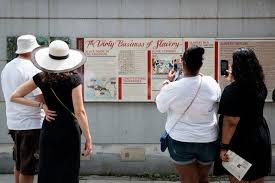
The national park sign controversy began when officials in the National Park Service were alerted that certain historical exhibits and interpretive materials might be removed or altered because they reflected aspects of U.S. history deemed “negative.” Opponents contended that taking down the signs would inhibit the public’s knowledge of significant historical events and make it more difficult to understand how the historian gets his or her story told.
The conversation quickly turned to a more general discussion about historical national park signs and how they function to inform visitors. Those in favor of retaining the signs said that controversies over the public lands were not an excuse to censor historical facts, and some felt that historical displays should be reviewed and changed as necessary.
This resulted in litigation and the recent federal court ruling blocking the changes.
Why Did a Judge Block National Parks From Removing Negative Signs?
A lot of people are asking — why is a judge stopping the removal of the negative signs in national parks?
The judge ruled that the controversy over the proposed changes involved substantial questions of historical accuracy and whether the public would have sufficient access to information about the agencies’ decision-making process. The court said there were enough questions of law to warrant the policy’s pause while it considers the matter thoroughly.
Judge blocks removal of ‘negative’ signs at national parks ruling does not end battle permanently. In other words, it simply halts the changes temporarily while the lawsuit winds its way through the courts.
This federal judge ruling on national park history displays may set the course for future debates over how government agencies interpret and present historical events.
Trump National Parks Order at the Center of Debate
The dispute is intertwined with a Trump national parks directive that critics say prompted alterations in how historical narratives were presented across the system of public lands. Detractors said the Trump order and subsequent purge of national park signs could lead to a cherry-picked telling of history.
Backers of the order argued that a few exhibits were too focused on the dark side of history, and needed to be supplemented with more context. Still, the critics said that taking information away, as opposed to providing more context, would diminish public knowledge.
The national parks negative signs debate as explained by legal pundits reveals the struggle between keeping historical records and directing public narratives.
Impact on National Park History Displays
The result is that national park history exhibits currently in place will continue to be available to visitors during the ongoing litigation.
For many historians and educators, the ruling is a win for maintaining regilous access to information. National parks are not just fun places to visit; they are places where you can learn about important events, cultural traditions, and historical change.
The decision on the national park history displays reiterates that historical interpretation should be rooted in evidence and made available to the public, not determined by political ideology.
As the National Park Service considers its options, and decisions from the Federal District Court are likely to be reviewed, so too will its policies on interpretive products and educational materials.
What the National Parks Court Decision Means
A lot of people are asking what that means for future policy changes in national parks.
Legal experts said the ruling could establish an important precedent on how federal agencies change historical facts made available to the public. Should the court rule against the policy, it may impose more burdensome requirements on agencies wanting to change historical exhibits.
The case also brings up larger questions about the limits of government power, and how accountable it is to the public. Since national parks are for all Americans, changes to educational materials typically garner widespread public attention.
The federal court ruling may serve as a guide for similar cases involving museums, monuments and other publicly funded historical organizations.
National Park Service Historical Signs Lawsuit Continues
The NPS historic signs litigation is on-going, and the parties anticipate additional hearings in the near term.
Both sides are getting ready to argue the law on whether the proposed changes were warranted and whether they followed the rules. The decision could set a precedent for how national parks handle sign removal and historical interpretation.
The lawsuit has also sparked a mass of attention from advocacy groups, historians and visitors who feel that the retention of historical context is key to understanding the past of the nation.
Public Lands Controversy Draws National Attention
The public lands dispute at the heart of the case goes far beyond just national parks. It involves broader questions about education, historical memory, and government transparency.
Proponents of the ruling said that historical exhibits should provide full and accurate information, even when topics are uncomfortable or contentious. Critics argue that agencies need the ability to make edits to exhibits.
The debate, which has been so intense on whether there should be scientific research on bears in Yellowstone regardless of the dissenting view on that research, in large part, shows how powerful national parks are in shaping public understanding of history.
National Parks News: What Happens Next?
As this blockbuster national parks story is still unfolding, all eyes will be on the courts.
The National Park Service changes that are expected in the next few weeks may offer more clues about how officials intend to respond. Legal proceedings will decide whether the temporary halt will be kept in place or if policy changes can eventually be implemented.
In the meantime, tourists can still see the existing historical exhibitions as the courts consider legal questions at the center of the dispute.
Conclusion
The decision in which a judge blocks national parks from removing ‘negative’ signs marks a significant moment in the ongoing debate over historical interpretation in national parks. The federal judge national parks ruling ensures that current displays remain accessible while the National Park Service historical signs lawsuit proceeds.
Whether viewed as a victory for historical preservation or a temporary legal pause, the ruling highlights the importance of transparency, education, and public accountability. As the national parks negative signs controversy explained continues to generate discussion, the final outcome could shape how American history is presented on public lands for years to come.