Hezbollah Rejects Renewed Israel-Lebanon Ceasefire Deal

Hezbollah Rejects Renewed Israel-Lebanon Ceasefire Deal
The fragile security situation in the Middle East has once again come under intense scrutiny after Hezbollah rejects ceasefire efforts agreed upon by Israel and Lebanon. The renewed ceasefire agreement was intended to reduce hostilities along the volatile Israel-Lebanon border and create conditions for long-term stability. However, Hezbollah’s refusal to support the arrangement has sparked concerns among regional observers, governments, and international organizations.
The latest development has increased uncertainty in an already tense region. Analysts warn that the rejection of the ceasefire could lead to renewed military confrontations, border clashes, and a further deterioration of security conditions. As diplomatic efforts continue, the future of peace between Israel and Lebanon remains uncertain.
Hezbollah Rejects Renewed Ceasefire Agreement
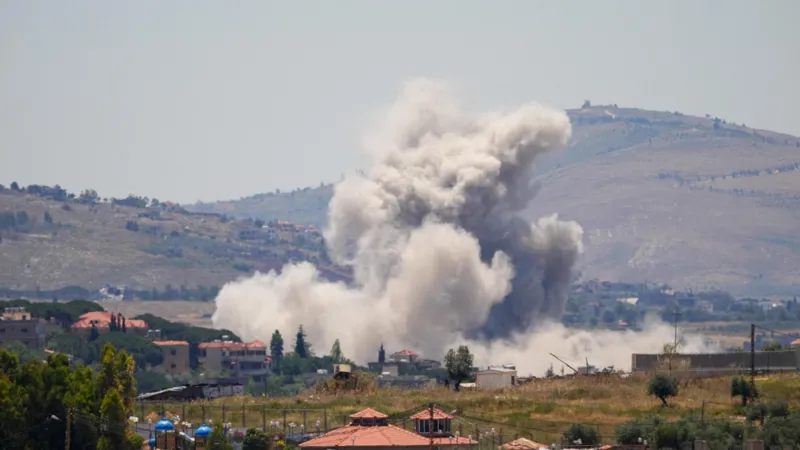
The announcement that Hezbollah rejects renewed ceasefire agreement has drawn widespread attention. The ceasefire was reportedly designed to reduce military activity and prevent further escalation between Israel and Lebanon after months of tensions.
According to regional reports, Lebanese officials and international mediators have been working to establish a framework that could reduce hostilities and create opportunities for diplomatic engagement. While the governments involved appeared willing to move forward with the arrangement, Hezbollah expressed strong reservations and declined to endorse the agreement.
The group’s leadership argued that the proposed terms did not adequately address key concerns related to security, sovereignty, and regional dynamics. As a result, the ceasefire faces significant challenges despite support from various diplomatic channels.
Background of the Israel-Lebanon Conflict
To understand why Hezbollah rejects ceasefire, it is important to examine the history of the Israel-Lebanon conflict. The relationship between Israel and Hezbollah has been marked by decades of hostility, military confrontations, and political disputes.
Hezbollah emerged in Lebanon during the 1980s and has since become one of the most influential political and military organizations in the country. Israel considers Hezbollah a major security threat due to its military capabilities and strategic alliances.
Over the years, numerous conflicts have occurred along the border, including major military operations and periodic exchanges of fire. Despite several ceasefire agreements, tensions have frequently resurfaced, highlighting the complexity of achieving lasting peace.
Why Hezbollah Opposes the Ceasefire
Several factors may explain why Hezbollah rejects renewed ceasefire agreement despite growing international pressure for de-escalation.
1. Security Concerns
Hezbollah may believe that the ceasefire does not provide sufficient guarantees regarding Israeli military activities near the border. The organization has consistently emphasized the importance of maintaining its defensive capabilities.
2. Strategic Objectives
The group’s broader regional objectives may influence its position. Hezbollah often links local developments in Lebanon to wider geopolitical issues affecting the Middle East.
3. Political Considerations
Domestic political dynamics within Lebanon also play a role. Hezbollah remains a significant political force and may seek to maintain leverage during negotiations involving national security and foreign policy matters.
4. Regional Alliances
The organization’s relationships with regional allies could affect its willingness to support agreements perceived as unfavorable to its strategic interests.
Impact on Israel-Lebanon Relations
The decision by Hezbollah to reject the ceasefire has significant implications for Israel Lebanon relations. Diplomatic efforts aimed at reducing tensions may become more complicated if key stakeholders remain divided.
Israeli officials have repeatedly expressed concerns about security threats originating from southern Lebanon. At the same time, Lebanese authorities face the challenge of balancing domestic political realities with international calls for stability.
Without broad support for the ceasefire, both countries may struggle to establish confidence-building measures necessary for long-term peace.
Rising Risk of Border Clashes
One of the most immediate consequences after Hezbollah rejects ceasefire is the increased risk of border incidents. Military analysts warn that even small confrontations could escalate rapidly under current conditions.
The Israel-Lebanon border remains one of the most sensitive flashpoints in the Middle East. Any misunderstanding, accidental exchange of fire, or localized conflict could potentially trigger a larger military response.
Security experts emphasize the importance of maintaining communication channels and preventing actions that could worsen tensions.
International Response to the Ceasefire Rejection
The international community has closely monitored the situation following reports that Hezbollah rejected the agreement.
Several governments and international organizations have called for restraint and urged all parties to avoid actions that could lead to further violence. Diplomatic efforts continue to focus on preserving stability and encouraging dialogue.
Global leaders have repeatedly stressed that renewed conflict would have serious humanitarian, economic, and security consequences for the region.
International observers remain hopeful that negotiations can continue despite the current setback.
Economic Consequences of Renewed Tensions
The possibility of renewed conflict has economic implications for both Lebanon and the wider region.
Impact on Lebanon
Lebanon continues to face significant economic challenges, including inflation, financial instability, and infrastructure concerns. Increased security tensions could discourage investment and slow recovery efforts.
Impact on Regional Markets
Middle East conflicts often influence investor confidence, trade routes, and energy markets. Escalating tensions may create uncertainty for businesses operating throughout the region.
Tourism and Commerce
Border instability can affect tourism, transportation networks, and cross-border commerce, potentially creating additional economic pressures.
Humanitarian Concerns
Humanitarian organizations are also expressing concern following the announcement that Hezbollah rejects renewed ceasefire agreement.
Previous periods of conflict have resulted in displacement, infrastructure damage, and disruptions to essential services. Any return to large-scale hostilities could place civilians at significant risk.
Aid agencies continue to emphasize the need for peaceful solutions that prioritize civilian safety and regional stability.
Future of the Israel-Lebanon Ceasefire
Despite the current challenges, experts believe diplomatic efforts are likely to continue. The rejection of the agreement does not necessarily mean that future negotiations are impossible.
Several scenarios remain possible:
- Continued diplomatic engagement.
- Modifications to the ceasefire terms.
- International mediation efforts.
- Confidence-building measures between stakeholders.
- Regional negotiations involving multiple parties.
The success of any future agreement will depend on addressing the concerns of all involved actors while ensuring security and stability.
Middle East Tensions Remain High
The latest development highlights the broader issue of Middle East tensions. Regional conflicts often involve multiple political, security, and strategic considerations that make negotiations complex.
As governments and international organizations seek peaceful solutions, the situation remains fluid. Observers will continue monitoring developments closely to determine whether diplomacy can prevent further escalation.
The outcome of ongoing discussions could have significant implications not only for Israel and Lebanon but also for regional stability as a whole.
Conclusion
The news that Hezbollah rejects ceasefire efforts agreed by Israel and Lebanon has raised fresh concerns about the future of peace and stability in the region. While the renewed ceasefire was intended to reduce hostilities and encourage dialogue, Hezbollah’s opposition highlights the deep-rooted challenges facing negotiators.
With the risk of renewed border clashes, heightened security concerns, and broader geopolitical implications, international attention remains focused on the Israel-Lebanon conflict. Diplomatic efforts are expected to continue as stakeholders seek ways to prevent escalation and promote long-term stability.
Whether a revised agreement can eventually gain wider support remains uncertain, but the need for constructive dialogue and peaceful engagement has never been more important.