Austria public broadcaster election controversy

“Disgusting Staging” Sparks Controversy Over Election Coverage at Austria’s Public Broadcaster
Austrian politics are spitting feathers once more after critics accused the country’s public broadcaster of participating in what was referred to as “disgusting staging” in its election coverage. The Austria public broadcaster election scandal is now the hot topic among politicians, journalists, media analysts and voters.
Concerns about media bias, public confidence and the relevance of state-funded broadcasters have been heightened as audiences questioned the presentation of election outcomes and political responses. The debate illustrates wider anxieties about the role of the media in democratic society, and the need to keep election coverage impartial.
Austria Election Coverage Controversy Gains Attention
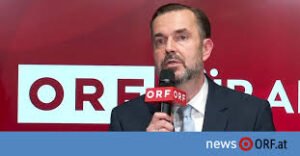
The recent coverage controversy of Austria election started with viewers and political commentators criticizing the presentation and visual design for the election broadcasts. Critics said some staging decisions conveyed a sense of bias and could have swayed public opinion.
Supporters of the broadcaster however defended the coverage, saying that the production was in line with standard television practice on election night across Europe.
With the debates now taking place on social networks and news websites, the affair has boiled over into a broader discussion about journalistic standards and transparency.
ORF Election Debate Dominates Headlines
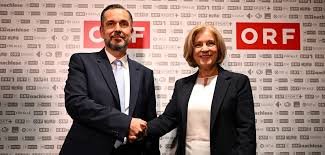
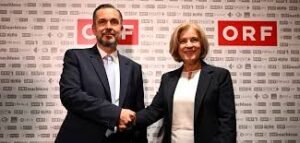
At the heart of the dispute is ORF, the Austrian public broadcaster. ORF election debate heats up with questions from political figures if the broadcaster has been sufficiently neutral in its reporting.
Opposition parties and media critics cited visual elements, interviews, and studio presence that they felt benefited certain narratives. These concerns contributed to charges that public broadcasting should be required to demonstrate the highest level of impartiality.
ORF representatives denied any deliberate bias and stressed the importance of balanced journalism.
Austria Media Controversy Raises Questions About Neutrality
The expanding Austria media fuss mirrors a wider problem confronting public broadcasters globally. In a climate of political polarization and fierce public scrutiny, even minor editorial decisions can prove contentious.
Critics say publicly funded media organizations have a duty not to appear to show favouritism. They feel coverage of elections should be limited to facts, verified information and equal treatment of those who take part politically.
Proponents respond that claims of bias are frequently subjective and influenced by political leanings rather than objective assessment.
Election Night Staging Austria Criticized by Opponents
Among the chief concerns was the “election night staging” that viewers in Austria saw during the transmission. Critics said the way guests were lined up, the camera angles, and the manner of presentation gave the impression that some political opinions were treated more sympathetically.
The term “disgusting staging” had gone viral on social media and united detractors. Numerous voices demanded a revision of the broadcasting norms to restore public trust in election coverage down the line.
There were also those who viewed the world tears over criticisms as hysteria and felt television production decisions should not necessarily be read as political statements.
Media Impartiality Austria Becomes Central Debate
The dispute has brought the issue of media partiality in Austria to boil in the national pot. There has been much commentary from journalists, academics and political analysts on whether the existing codes sufficiently ensure fair coverage at elections.
Media commentators say public trust is largely dependent on how independent and professional it appears. Broadcasters have to think about how their presentation could be taken by the audience, even without any deliberate bias.
This dispute has sparked fresh discussions about editorial policies, transparency protocols and mechanisms of accountability.”
Public Broadcasting Criticism Continues
The recent controversy is just one chapter in a long tradition of scrutiny of public broadcasters that can be found across many democratic states. Public broadcasters often come under pressure from rival political forces, each demanding equitable coverage.
In Austria the issue has sparked fresh debate on the operations of publicly financed media institutions and how they can boost public trust in their news coverage.
Some commentators are suggesting that the debate might end in an agreement to introduce more transparency and to strengthen editorial independence.
Austria Democracy Debate and the Future of Election Coverage
#Humanized output
The current Austrian debate about democracy is not confined to one program. Critics have interpreted this controversy as one episode in a broader discussion about media institutions, political actors and democratic accountability.
Proponents of greater scrutiny of the media say the coverage of elections should be above reproach. Some caution against political influence on journalism, and underscore the need for freedom of the editors.
NO MATTER WHICH way people lean, the controversy illustrates how powerful a role media organizations can play in an election, and why public trust remains vital.
Conclusion
The disgusting staging controversy surrounding election at Austria’s public broadcaster has sparked intense discussion about media ethics, political neutrality, and election reporting standards. What began as criticism of election-night presentation has evolved into a broader debate about Austria election coverage controversy, media impartiality Austria, and the future of public broadcasting.
As the conversation continues, many will be watching closely to see whether the controversy leads to policy changes, new editorial guidelines, or further scrutiny of election broadcasts. One thing is certain: trust in media remains a crucial pillar of democracy, and debates over fairness and transparency are unlikely to disappear anytime soon.