Electric Car Rental Company Nextmove Files for Insolvency Amid Industry Challenges

Nextmove Insolvency: What Went Wrong for the EV Rental Giant — And What It Means for the Industry
Europe’s electric mobility sector just took a major hit. Nextmove, one of the best-known electric car rental and subscription companies, has officially filed for insolvency — a development that’s sending ripples across the EV industry and raising fresh questions about whether the rental-based EV business model is actually sustainable.
Here’s a clear breakdown of what happened, why it happened, and what it signals for the future of electric vehicle rentals.
What Happened to Nextmove?
Nextmove built its name by making EV ownership accessible without the long-term commitment — customers could rent or subscribe to electric vehicles instead of buying one outright. It was a smart pitch during the early EV adoption wave, when many drivers wanted to “try before they buy.”
But according to reports, mounting financial pressure eventually caught up with the company. Rising costs, shrinking margins, and a rapidly changing competitive landscape combined to push Nextmove into insolvency proceedings — a formal process that doesn’t necessarily mean the company shuts down immediately, but does mean it can no longer meet its financial obligations without restructuring.
Why Did Nextmove File for Insolvency?
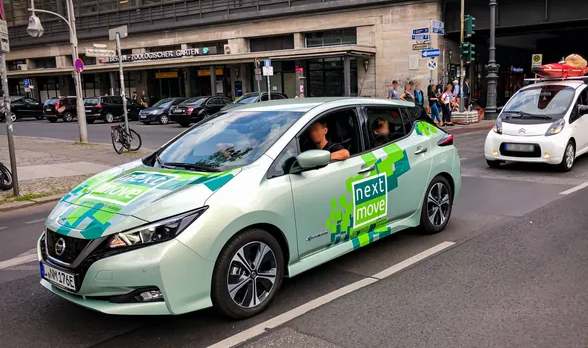
A few key factors appear to have driven the collapse:
Rising Operating Costs — Running a large EV fleet isn’t cheap. Vehicle acquisition, maintenance, insurance, and charging infrastructure all add up, and those costs have only increased as the market has matured.
Falling Resale Values — As newer, more advanced EV models hit the market, older fleet vehicles depreciate faster than expected. For a rental company sitting on hundreds of vehicles, that kind of value erosion can quietly wreck a balance sheet.
Intensifying Competition — The electric car rental space has gotten crowded. Legacy rental brands, automakers, and mobility startups are all fighting for the same customers, squeezing margins across the board.
Economic Headwinds — Higher interest rates and more cautious consumer spending have made premium mobility subscriptions a harder sell than they were a few years ago.
None of these issues is unique to Nextmove — but together, they created a financial squeeze the company couldn’t outrun.
What Insolvency Actually Means Here
It’s worth clarifying: insolvency isn’t automatically the end. It’s a formal process that kicks in when a company can’t pay its debts as they come due, and it often opens the door to restructuring rather than closure. Nextmove may still find a path to stabilize operations, renegotiate with creditors, or attract new investment during this period.
That said, uncertainty is real for anyone currently tied to the company — which brings up the next big question.
How This Affects Customers
Existing Nextmove customers are understandably asking what happens to their rentals, subscriptions, and deposits. The honest answer: it depends on how the insolvency proceedings unfold. In many cases, services continue temporarily while administrators evaluate restructuring options, but customers should watch for official communication directly from the company or appointed insolvency administrators rather than relying on speculation.
A Bigger Warning Sign for the EV Rental Industry
Nextmove’s struggles aren’t happening in a vacuum. Fleet-heavy business models — the kind that require constant capital investment just to keep vehicles on the road — are inherently vulnerable to market swings. And several EV-focused mobility companies across Europe have faced similar financial strain in recent years.
Industry watchers see this as a signal that the EV rental sector is entering a more mature, more demanding phase. Early on, aggressive expansion and brand visibility were enough to attract investment and customers. Now, operational efficiency and financial discipline matter just as much as growth.
The Long-Term Outlook Isn’t All Bad
Despite Nextmove’s troubles, the broader EV transition remains on track. Government incentives, growing consumer interest, and continued investment in battery technology all point toward long-term growth for electric mobility. What’s changing is how companies need to operate within that growth — profitability and sustainable fleet management are becoming just as important as innovation.
Companies that can manage vehicle depreciation, control acquisition costs, and build efficient customer acquisition strategies are far better positioned to survive market downturns than those chasing rapid expansion alone.
Bottom Line
Nextmove’s insolvency filing is a wake-up call for the EV rental industry, not a death sentence for it. It highlights a hard truth: building a great customer-facing product isn’t enough if the underlying business model can’t absorb rising costs and market volatility. As the industry watches how Nextmove’s restructuring plays out, its story is likely to become a case study for how EV mobility companies need to balance ambition with financial resilience going forward.
Related Reading
On this site:
- More EV Industry News (replace with your actual internal category/article link)
External sources on EV industry trends and mobility company finances:
- Reuters – Automotive & EV Industry News
- Bloomberg – Electric Vehicles Coverage
- Electrive – European EV Industry News
Note: The internal link above is a placeholder — swap in your actual site URL. External links point to trusted publication sections that generally cover this type of story, not a verified article about this specific event, since this was written without live web search access.