Oil Drops as Israel and Lebanon Agree to Ceasefire Deal

Oil Prices Fall as Israel-Lebanon Ceasefire Eases Middle East Risk Premium — But the Relief Didn’t Last
Brent and WTI slipped within hours of the June 3 ceasefire announcement, reversing gains from a day earlier — a pattern that has repeated throughout 2026’s on-again, off-again Lebanon truce
What Happened to Prices
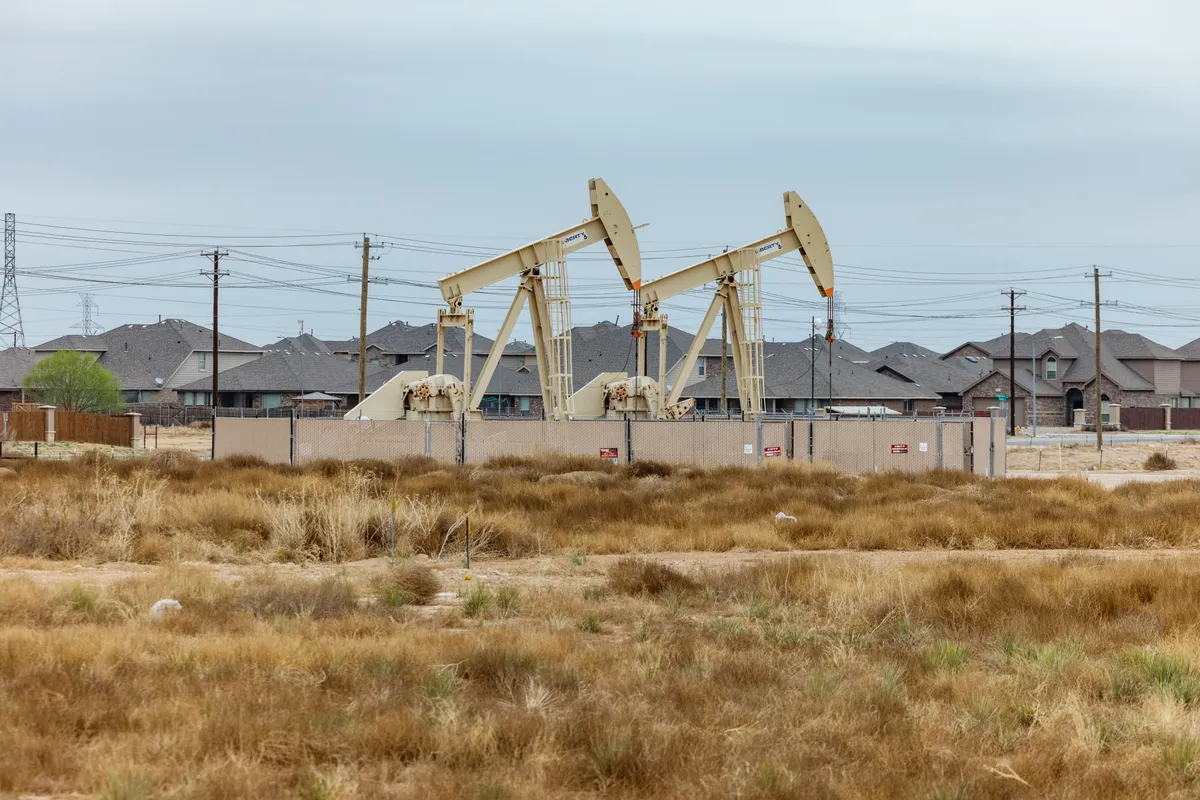
Late on June 3, 2026, news that Israel and Lebanon had agreed to implement a ceasefire triggered an immediate repricing across crude markets. By 07:58 a.m. Saudi time the next morning, Brent crude futures had declined $0.87 per barrel (0.89%) to settle at $96.92, while WTI crude dropped $0.78 per barrel (0.81%) to $95.24. Broader estimates across the full trading session on June 4 put the decline closer to 3-4%, as diplomatic optimism built through the day.
The move partially reversed a sharp rally from the previous session: both benchmarks had climbed roughly 2% on June 3 itself, driven by Iranian military strikes on Kuwait and US military activity near the Strait of Hormuz — tensions the ceasefire announcement then helped defuse.
Why a Ceasefire Moves Oil Prices at All
Israel and Lebanon are not major oil producers, but crude prices embed what traders call a geopolitical risk premium during active conflicts — an extra markup reflecting the chance that fighting disrupts production, pipelines, or shipping through nearby chokepoints like the Strait of Hormuz. When a ceasefire is announced, that perceived probability of wider disruption falls, and so does the premium — even though no actual barrels of physical supply have changed hands. That’s largely what happened on June 4: prices fell not because more oil suddenly became available, but because traders judged a regional escalation slightly less likely.
A Pattern That Repeated All Year
The June 3-4 move wasn’t an isolated event — it was the latest in a string of similar price swings tied to the broader 2026 conflict. When Israel and Lebanon first agreed to a 10-day ceasefire on April 16, 2026, and Iran’s foreign minister subsequently declared the Strait of Hormuz “completely open,” US crude futures plunged nearly 12% to $83.85 per barrel, while Brent lost 9% to settle at $90.38 — among the sharpest single-day drops of the year. A week later, when the truce was extended by three weeks following White House talks, Brent held largely steady near $105.33 while WTI eased about 1% to $94.40, reflecting a more cautious market response the second time around.
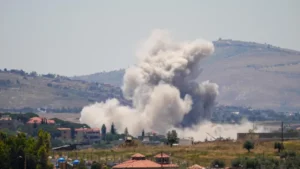
The relief proved temporary each time. In early June 2026, after Israel intensified operations in southern Lebanon despite the ceasefire technically remaining in place, WTI climbed 2.71% to $89.73 and Brent advanced 2.37% to $93.28 within hours — erasing much of the calm the earlier truce had produced. By mid-June, as US-Iran talks in Geneva were abruptly postponed, Brent rose 0.9% to $80.57 and WTI gained roughly 1.2% to $77.54, even as Israel and Hezbollah held to a separate ceasefire — a reminder that Lebanon is only one variable among several driving prices.
Why the Same News Keeps Moving Markets
Analysts note that a single ceasefire announcement rarely produces a clean, lasting price trend, because oil markets are simultaneously weighing several overlapping factors: the durability of the Lebanon truce itself, the status of separate US-Iran negotiations, actual tanker traffic through the Strait of Hormuz, and OPEC+ production decisions. Iran’s linkage of the two tracks — conditioning its own ceasefire with the US on progress in Lebanon — means that developments on one front regularly spill into the other, amplifying volatility beyond what either issue would produce alone.
Even with reduced risk premiums, analysts have pointed out that physical supply concerns haven’t disappeared entirely; estimates suggest that roughly 13 million barrels per day of supply had been disrupted at points during the conflict when Hormuz shipping was constrained, a figure that could climb further if a blockade were reimposed.
What Analysts Are Watching
Market commentary built around the June 2026 price swings has framed the outlook in three broad scenarios: a holding ceasefire with slow-moving US-Iran talks (Brent staying elevated but volatile, generally above $90); continued but geographically contained fighting (Brent in the $90-95 range); or a full ceasefire collapse combined with renewed Hormuz restrictions, which analysts suggested could push Brent above $100, with near-term spikes toward $110-115. OPEC+ spare capacity, estimated at 3-4 million barrels per day in mid-2026, was cited as a partial buffer against the more severe scenarios.
Historical Context
The scale of these swings isn’t unprecedented for the region. During the 2019 Gulf of Oman tanker attacks, Brent crude surged 3-4% in a single session on similar fears about shipping disruption. The Tanker War phase of the Iran-Iraq conflict in the late 1980s produced shipping-related risk premiums that persisted for months rather than days — a reminder that markets often take longer to fully price out geopolitical risk than they do to price it in.
What This Means for Consumers
Falling crude prices don’t translate to lower pump prices overnight, but sustained declines typically feed through to fuel and transportation costs over subsequent weeks. Given how quickly gains from the April and June ceasefires were each reversed by renewed fighting, however, analysts have cautioned that any consumer benefit from lower oil prices in 2026 has so far proven as short-lived as the ceasefires driving it.
Bottom Line
The pattern across 2026 has been consistent: ceasefire announcements pull oil prices down as geopolitical risk premiums deflate, only for renewed fighting to push prices back up within days or weeks. With the underlying Israel-Hezbollah dispute over troop withdrawal and disarmament still unresolved as of late June, traders are treating each new truce with more caution than the last — pricing in the strong likelihood that this ceasefire, like its predecessors, may not hold.