Why Ukraine Wants to End Russia War’s Hot Phase by Winter

Why Ukraine Is Talking About Ending the War’s “Hot Phase” Before Winter
Zelensky told his own party lawmakers he sees a path to ending intense fighting by November — but only if security guarantees are secured first, and only while Ukraine holds a fragile frontline advantage
Where the Statement Came From
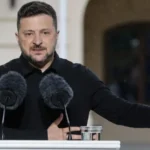
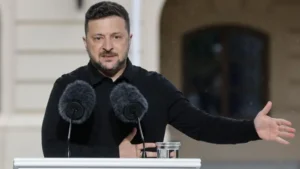
The idea that Ukraine could end the “hot phase” of its war with Russia before winter didn’t emerge from a press conference — it came from a closed-door meeting between President Volodymyr Zelensky and lawmakers from his own Servant of the People party. According to MP Olha Vasylevska-Smahliuk, who described the meeting afterward, Zelensky told the faction: “By November, there is a possibility — provided that security guarantees are in place — to end the ‘hot phase.’ Right now, we have an advantage on the frontline that can be used.”
The comment quickly spread beyond the party meeting, becoming one of the most closely watched statements on the war’s trajectory in mid-2026.
What “Hot Phase” Actually Means Here
Zelensky’s own framing makes clear this isn’t a claim about ending the war outright — it’s specifically about ending the period of intense, active combat, distinct from a full peace settlement. His stated goal, per Vasylevska-Smahliuk, is preventing Russia from using any pause to regroup and “resume hostilities and launch a new offensive” — suggesting Ukrainian officials see real risk in a premature or unsecured cessation of fighting.
The Precondition: Security Guarantees
Zelensky’s framing was conditional, not a prediction. The November timeline depends specifically on security guarantees being finalized first — guarantees that, as of the party meeting, were still being negotiated. Ukraine was reportedly waiting for European nations to name their representative for peace negotiations, with a US delegation also expected to visit in the near term.
A Fragile Frontline “Advantage”
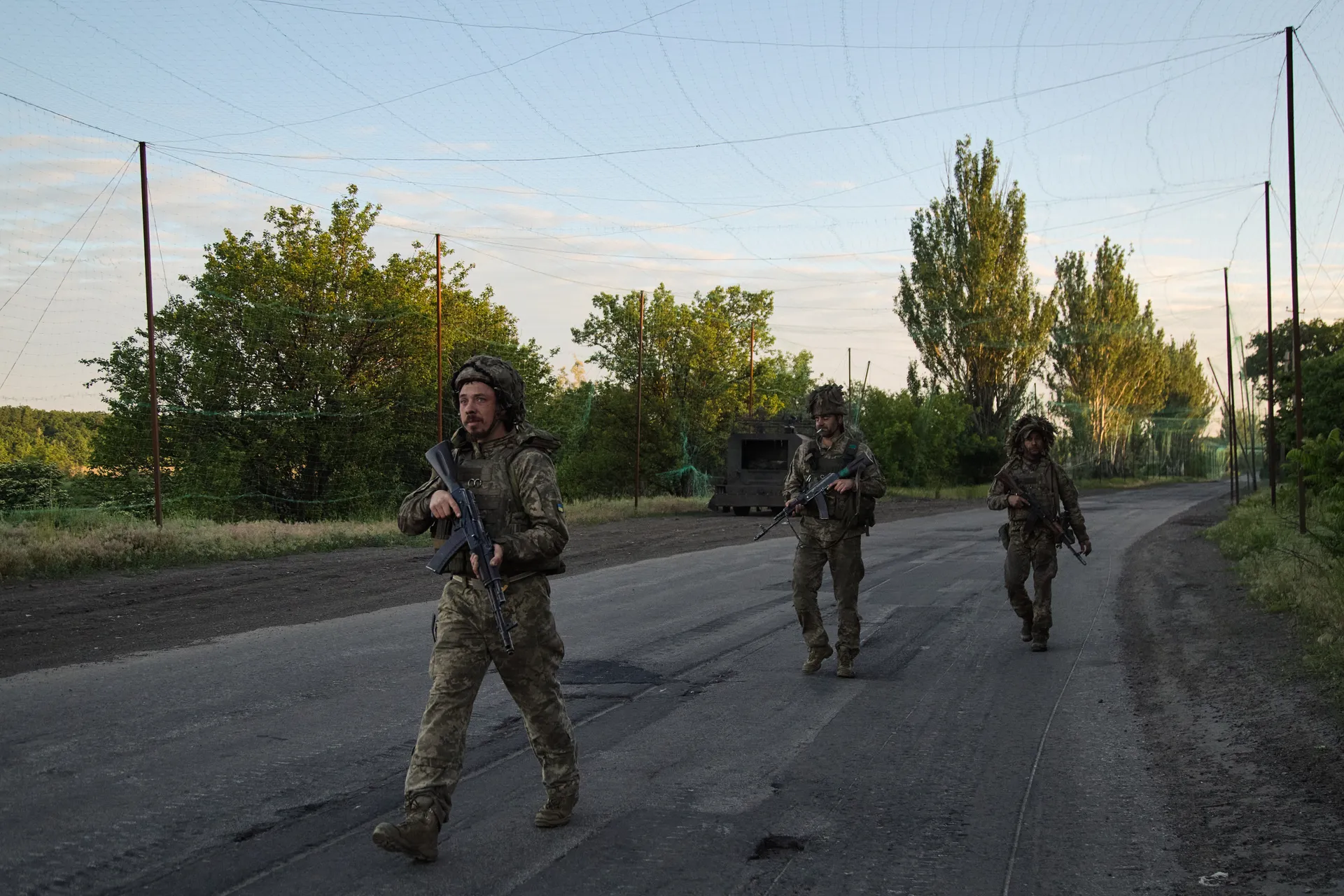
Zelensky pointed to a current frontline advantage as the window of opportunity behind the November timeline. That claim lines up with on-the-ground reporting: Russia’s spring 2026 offensive failed to generate the kind of momentum or territorial gains it achieved in previous years, fueling cautious optimism among military observers.
But Ukrainian officials have also cautioned that positive headlines obscure serious vulnerabilities. Zelensky separately sent a letter to US President Donald Trump warning of a worsening shortage of air defense systems, particularly anti-ballistic missile interceptors — a concern one Ukrainian official linked directly to intensifying Russian strikes on Kyiv. That shortage became starkly visible in early June: a Russian attack on June 2 killed at least 23 people, including two children, across multiple Ukrainian cities, while an even larger strike on May 24 injured more than 100 people and damaged buildings in every district of Kyiv.
Russia’s Counter-Pressure
Even as Ukraine talks about ending intense combat, Russia has continued pushing in the opposite direction. Moscow has insisted Ukrainian forces withdraw voluntarily from remaining Ukrainian-held parts of Donbas, threatening to seize the territory by force if they don’t — a demand Kyiv has rejected. Russia has repeatedly missed its own deadlines for capturing the region: officials had earlier told the Trump administration they aimed to take Donbas by the end of 2025, then revised the target to September 2026, according to Ukrainian military intelligence.
Zelensky has also pointed to signs of strain on the Russian side, saying on May 27 that Moscow had ordered “additional mobilization” of tens of thousands of people to offset battlefield losses — a claim Ukrainian intelligence says is based on internal Russian information about mobilization preparations.
A Pattern of Optimistic Deadlines
Ukraine has floated hopeful timelines before, and they’ve consistently slipped. In 2022, there was public hope the war would end before winter following early Ukrainian battlefield successes. In 2023, autumn was seen as a likely turning point after the summer counteroffensive. In 2024, expectations centered on the US election delivering a fast resolution. In 2025, another “autumn window” was discussed as Russian reserves were said to be depleting. Retired US Navy Commander Harry Tabach, assessing the odds of the war ending by November 2026, put the chances at roughly “50-50,” noting that outcome depends on numerous variables including Ukraine’s own decisions — and pointedly, that “Trump is not God.”
What Would Have to Go Right
For Zelensky’s November scenario to materialize, several things need to align: security guarantees must be finalized with European and US backing, Ukraine’s current frontline advantage needs to hold through the summer and fall, and Russia would need to show genuine willingness to pause rather than use any lull to regroup — something Ukrainian officials remain visibly skeptical of, given Moscow’s continued insistence on capturing Donbas by force if necessary.
The Bottom Line
Zelensky’s comments represent a conditional, internally-communicated assessment rather than a firm commitment or public policy announcement — which is itself notable, given how the statement reached the public through a lawmaker’s account of a closed party meeting rather than an official address. Given the war’s track record of missed seasonal deadlines, and with security guarantee negotiations still unresolved as of the statement, whether 2026 becomes the year Ukraine finally sees fighting genuinely de-escalate before winter remains, by Zelensky’s own framing, conditional on factors still outside Kyiv’s full control.