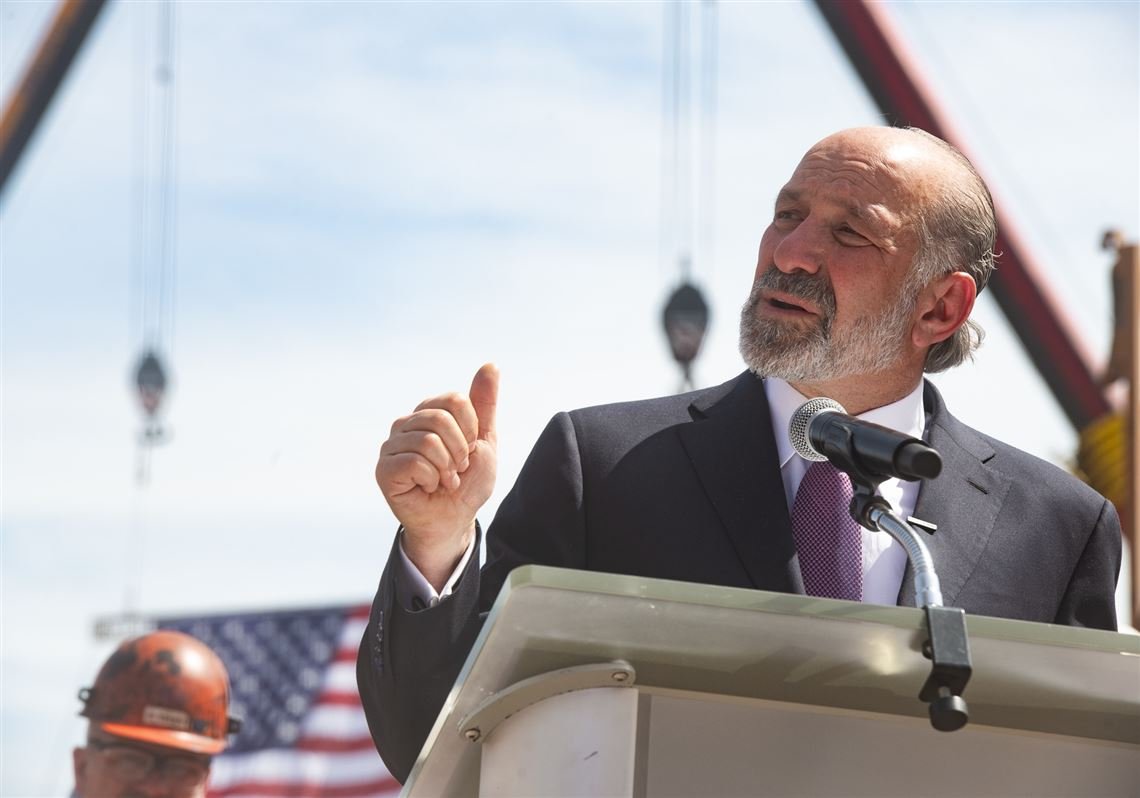
Nippon Mon Valley investment expansion

Nippon’s Expanded Mon Valley Plan Shows Commitment to U.S. Deal, Says Lutnick
The future of the U.S. steel industry received a significant boost after Nippon Steel announced an expanded investment strategy for Mon Valley, prompting praise from U.S. officials. According to Lutnick, the Japanese steel giant is “absolutely living up to the deal” it made with the United States, reinforcing confidence in the company’s long-term commitment to American manufacturing.
The announcement has sparked renewed discussions about U.S. manufacturing, job creation, and the future competitiveness of domestic steel production. As policymakers continue to focus on rebuilding industrial capacity, the latest Nippon Mon Valley investment expansion is being viewed as a major step toward strengthening America’s industrial foundation.
What Is the Mon Valley Investment Plan?
The Nippon Steel Mon Valley investment plan centers on increasing capital spending and modernization efforts in one of America’s most historically important steel-producing regions.
Located in Pennsylvania, Mon Valley has long been associated with American steelmaking. The region played a crucial role in building the nation’s infrastructure, manufacturing base, and economic strength throughout the 20th century.
Under the updated strategy, Nippon Steel aims to expand investments that support modernization, operational efficiency, and long-term competitiveness. The initiative aligns with broader efforts to strengthen the U.S. steel industry while preserving vital industrial jobs.
The announcement has generated optimism among industry leaders who see the project as a signal that international investors remain committed to American manufacturing growth.
Lutnick Says Nippon Living Up to the Deal
One of the most notable reactions came from Lutnick, who strongly defended the company’s actions.
According to officials, Lutnick says Nippon living up to the deal because the company has not only maintained its commitments but has expanded them through additional investments.
His comments reflect growing confidence that the partnership will produce tangible benefits for workers, communities, and the broader economy.
By expanding spending plans rather than scaling them back, Nippon Steel is demonstrating that its commitment extends beyond regulatory approvals and public announcements.
For many observers, this reinforces confidence in the broader Nippon Steel and U.S. partnership, which has been closely watched by policymakers and labor groups.
Impact of Nippon Investment on Mon Valley
The impact of Nippon investment on Mon Valley could be significant.
Industrial investments of this scale typically generate benefits in several ways:
1. Job Preservation
One of the biggest advantages is protecting existing American steel jobs. Maintaining a strong workforce remains a priority for both local leaders and federal policymakers.
2. Economic Development
Large-scale economic development projects often stimulate local economies through supplier contracts, construction activity, and increased business spending.
3. Facility Modernization
Modern equipment can improve productivity and strengthen competitiveness against global rivals, helping secure the future of domestic steel production.
4. Regional Growth
The project could contribute to broader industrial growth, encouraging additional investments in related industries and infrastructure.
These factors explain why many analysts believe the benefits of Mon Valley investment project could extend well beyond the steel sector itself.
Nippon Steel U.S. Expansion Strategy
The latest announcement also provides insight into the broader Nippon Steel U.S. expansion strategy.
Global steel producers increasingly recognize the strategic importance of the American market. Strong demand from construction, infrastructure, manufacturing, and energy sectors makes the United States an attractive destination for investment.
Through its growing U.S. presence, Nippon Steel appears focused on positioning itself for long-term growth while supporting domestic production capabilities.
The company’s approach reflects broader trends in steel industry investment, where modernization and efficiency improvements have become essential for remaining competitive.
Industry experts note that successful expansion strategies require balancing profitability with workforce stability and community engagement.
Mon Valley Steel Industry Revival Gains Momentum
Many local leaders view the investment as a key component of a potential Mon Valley steel industry revival.
For decades, communities throughout the region have sought opportunities to strengthen manufacturing activity and attract new capital.
The latest commitment from Nippon Steel investment in Pennsylvania could help accelerate that process.
Modernized facilities and sustained production capabilities may improve the region’s attractiveness for additional industrial projects.
Supporters argue that continued investment can help transform Mon Valley into a model for modern American manufacturing while preserving its historic role in steel production.
Why the U.S. Steel Industry Matters
The health of the U.S. steel industry remains closely linked to national economic priorities.
Steel serves as a foundational material for:
- Construction projects
- Transportation systems
- Energy infrastructure
- Manufacturing operations
- National defense applications
As a result, investments that strengthen steel production capacity are often viewed as strategically important.
Supporters of the deal argue that expanding domestic production capabilities can improve supply chain resilience while supporting long-term economic competitiveness.
The latest infrastructure investment initiatives across the country have further increased the importance of maintaining a robust domestic steel sector.
American Steel Jobs and Economic Growth
The connection between American steel jobs and economic growth remains a major focus of policymakers.
Manufacturing jobs typically provide stable wages and generate substantial economic activity throughout local communities.
When major companies commit to long-term investments, the benefits often spread beyond the facilities themselves, supporting contractors, transportation providers, suppliers, and local businesses.
This ripple effect is one reason why the Nippon Mon Valley investment expansion has attracted national attention.
Advocates believe the project could help strengthen both regional and national economic performance in the years ahead.
Future of U.S. Steel Manufacturing
The future of U.S. steel manufacturing will likely depend on a combination of innovation, modernization, workforce development, and strategic investment.
Companies that invest in advanced technologies and efficient production methods are generally better positioned to compete in an increasingly global marketplace.
The expanded commitment from Nippon Steel demonstrates that investors continue to see opportunities within the American industrial sector.
If executed successfully, the project could serve as an example of how international partnerships can support domestic manufacturing objectives while creating long-term economic value.
Conclusion
The expanded Nippon Steel Mon Valley investment plan marks an important moment for the U.S. steel industry, local communities, and policymakers focused on economic development.
As Lutnick says Nippon living up to the deal, the company’s increased commitment is being viewed as evidence that the partnership is delivering meaningful progress.
From preserving American steel jobs to supporting industrial growth, enhancing steel production, and contributing to broader economic development, the potential benefits are substantial.
The impact of Nippon investment on Mon Valley could shape the region’s future for years to come, while also influencing discussions about the future of U.S. steel manufacturing.
For readers following major business and economic developments, this story highlights how strategic steel industry investment and strong international partnerships can play a critical role in strengthening the American economy. Stay tuned to The Apna Times for continued coverage of the latest developments in business, manufacturing, and infrastructure.